








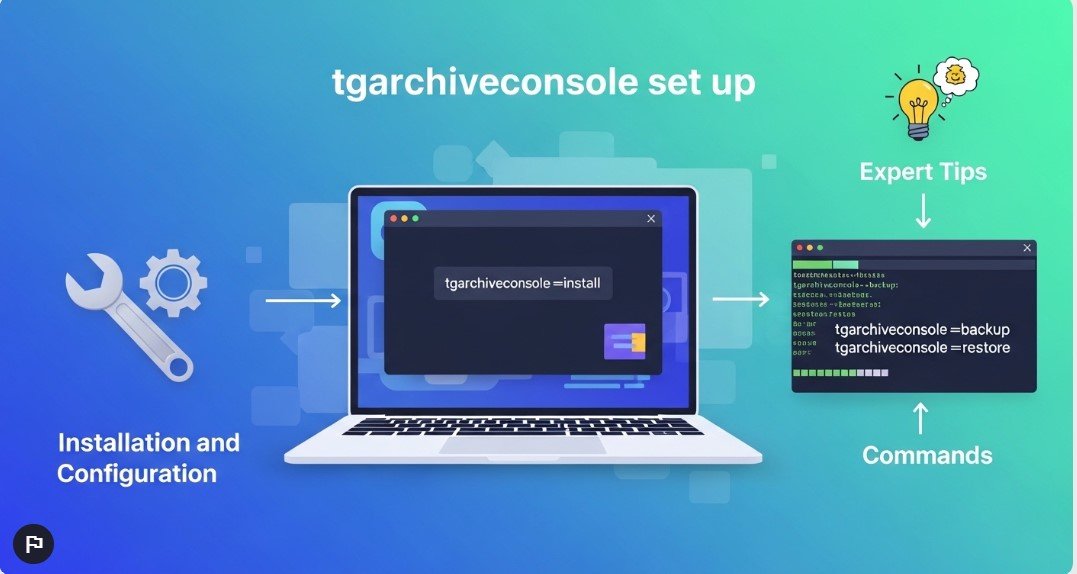
The proper setup of tools is at the core of any efficient digital workflow, and when it comes to working with archived data, having a proper console can make all the difference. The term “tgarchiveconsole set up” is essentially the installation, configuration, and even optimization of a console-based tool for working with archived content.
In this guide, you will learn everything about “tgarchiveconsole set up” from installation, configuration, and even optimization. This article is for both new and seasoned users who want to learn about “tgarchiveconsole set up” in a simplified manner.
What is TgArchiveConsole?
Before diving into the setup process, it is important to understand what tgarchiveconsole actually is.
TgArchiveConsole is typically a command-line tool used for:
- Managing archived messages or files
- Exporting and importing data
- Organizing large datasets
- Automating archive-related tasks
It provides more control, flexibility, and efficiency compared to traditional graphical tools.
Why You Need TgArchiveConsole Set Up
Proper tgarchiveconsole set up ensures that you can use the tool efficiently without running into errors or limitations.
Key Benefits
- Faster data processing
- Automation capabilities
- Better control over archives
- Lightweight performance
- Custom workflow options
Without proper setup, users often face issues like missing configurations or limited functionality.
System Requirements for TgArchiveConsole
Before starting, make sure your system meets these requirements:
Minimum Requirements
- Operating System: Windows, Linux, or macOS
- RAM: 4 GB (8 GB recommended)
- Storage: At least 1 GB free space
- Stable internet connection
Recommended Tools
- Terminal or Command Prompt
- Package manager
- Updated system environment
Step-by-Step TgArchiveConsole Set Up Guide
Let’s go through the setup process in a simple way.
Downloading TgArchiveConsole
The first step is downloading the tool from a trusted source.
Steps:
- Visit the official source or repository
- Download the latest version
- Extract the files if needed
- Place them in a suitable folder
Always ensure you download from a safe and verified platform.
Installing Dependencies
Most tools require supporting files or libraries.
Common Requirements:
- Latest version of Python
- Required libraries
- Updated system packages
Installing these ensures the tool runs smoothly without errors.
Configuring the Environment
Configuration is a key part of tgarchiveconsole set up.
What You Need to Do:
- Set proper file paths
- Ensure system recognizes the tool
- Configure environment settings
This step allows your system to properly communicate with the tool.
Initializing TgArchiveConsole
After installation and configuration, the tool needs to be initialized.
Steps:
- Open your terminal
- Go to the installation folder
- Run the initialization process
This prepares the tool and creates necessary setup files.
Connecting to Data Sources
To use tgarchiveconsole effectively, you need to connect it to your data.
Possible Sources:
- Local storage
- Cloud storage
- Exported Telegram data
You may need to provide details such as file locations and access permissions.
Basic Commands to Get Started
Once setup is complete, you can start using the tool.
Common Functions:
- View archived data
- Export files
- Import data
- Search within archives
These features help you manage your data efficiently.
Advanced Configuration Options
For advanced users, there are additional customization options.
Custom Settings Include:
- Output formats like text or JSON
- Logging levels
- Performance tuning
These options allow better control over how the tool behaves.
Automating Tasks
Automation is one of the biggest advantages of tgarchiveconsole.
What You Can Automate:
- Data exports
- Backups
- Regular archive updates
This saves time and improves productivity.
Security Considerations
Security is important when dealing with archived data.
Best Practices:
- Use strong passwords
- Protect your configuration files
- Keep sensitive data secure
- Update the tool regularly
Troubleshooting Common Issues
Sometimes issues may occur during setup.
Common Problems:
Tool not recognized
Make sure the installation path is correct.
Missing dependencies
Install all required libraries properly.
Permission errors
Check system permissions.
Configuration mistakes
Review settings carefully.
Performance Optimization Tips
To get the best results:
- Use fast storage (SSD recommended)
- Keep your system updated
- Remove unnecessary files
- Optimize archive size
Best Practices for Using TgArchiveConsole
After completing your tgarchiveconsole set up, follow these tips:
1. Maintain Backups
Always keep backup copies of your data.
2. Stay Updated
Use the latest version of the tool.
3. Organize Files
Keep your archives structured and clean.
4. Monitor Activity
Check logs to avoid issues.
Use Cases of TgArchiveConsole
This tool is useful in multiple situations:
Data Analysis
Helps analyze large datasets.
Backup Management
Ensures safe storage of data.
Data Migration
Allows easy transfer between systems.
Research Work
Useful for handling large archives.
Comparing TgArchiveConsole with Other Tools
Compared to other archive tools, tgarchiveconsole offers:
- Better control
- Faster performance
- Automation capabilities
- Lightweight usage
However, it may require some technical knowledge for beginners.
Future Scope of TgArchiveConsole
As data grows, tools like tgarchiveconsole will become more important.
Future improvements may include:
- Easier user interfaces
- Improved automation
- Smarter search features
- Better cloud integration
Conclusion
Although the process of tgarchiveconsole set up may appear technical, once complete, the tool can be a powerful ally in the management of archived information.
Through the use of this guide, you can efficiently set up, configure, and even optimize the use of the tool for your needs.