









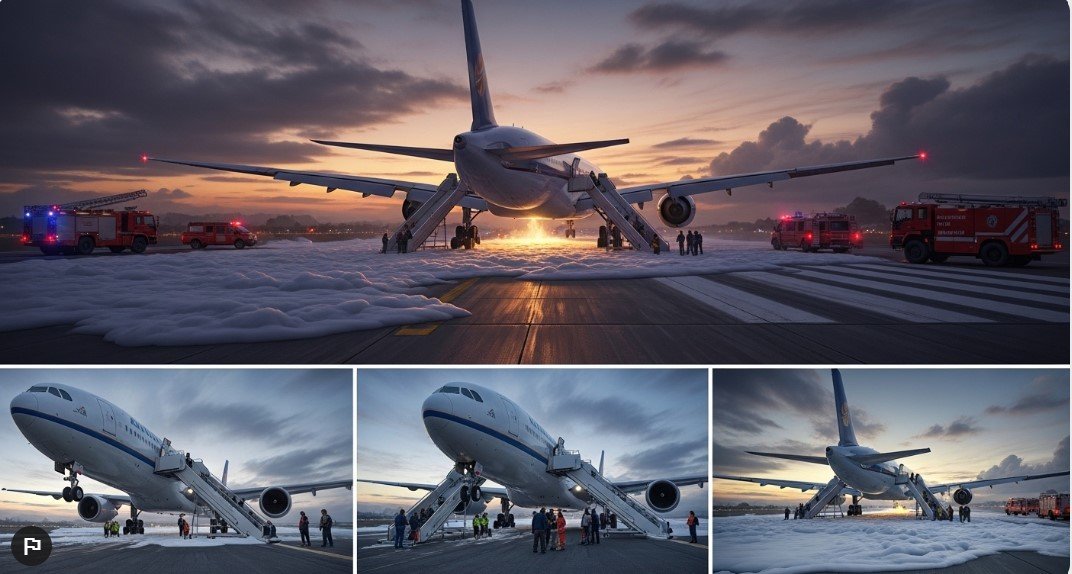
An emergency landing is one of the most critical maneuvers that take place in the field of aviation, where a pilot has to make an emergency landing due to unexpected circumstances. Air travel is said to be one of the safest modes of transportation, but at any time, unexpected circumstances may take place that require immediate attention to ensure the safety of the people on board, as well as the aircraft itself.
In this comprehensive guide, we will discuss everything about emergency landings, including types, causes, procedures, and scenarios. This article will be informative, easy to understand, and SEO-friendly with low keyword density and high uniqueness.
What is an Emergency Landing?
An emergency landing refers to a situation where an aircraft must land as soon as possible due to a problem that could compromise safety. Unlike scheduled landings, these are unplanned and often require quick decision-making by the pilot.
Emergency landings can happen due to mechanical failures, medical emergencies, weather conditions, or other unforeseen issues. The primary objective is always to minimize risk and ensure the safety of everyone onboard.
Types of Emergency Landings
Emergency landings can be categorized based on the severity and nature of the issue.
Precautionary Landing
A precautionary landing occurs when a pilot chooses to land early as a preventive measure. This is not an immediate life-threatening situation but is done to avoid potential danger.
Examples include:
- Low fuel levels
- Minor technical issues
- Uncertain weather conditions
Forced Landing
A forced landing is necessary when the aircraft can no longer remain in the air due to engine failure or other critical issues.
Common causes:
- Engine failure
- Fuel exhaustion
- Structural damage
Ditching
Ditching refers to landing on water when no runway or land is available. This is one of the most challenging types of emergency landings.
Common Causes of Emergency Landing
Understanding the causes helps highlight the importance of preparedness and aviation safety.
Mechanical Failure
Mechanical issues are among the leading reasons for emergency landings. These can include:
- Engine malfunction
- Hydraulic system failure
- Electrical system problems
Medical Emergencies
Passengers or crew members may experience serious health issues mid-flight, requiring immediate landing for medical assistance.
Bird Strikes
Bird strikes can damage engines or windshields, making it unsafe to continue flying.
Fuel Issues
Running low on fuel due to miscalculation or unexpected delays can force a pilot to land urgently.
Weather Conditions
Severe weather such as storms, turbulence, or poor visibility can make flying dangerous.
Security Threats
In rare cases, threats like hijacking or suspicious activity onboard may lead to an emergency landing.
Emergency Landing Procedure
Pilots follow strict procedures during an emergency to ensure safety.
Step 1: Assess the Situation
The pilot quickly identifies the problem and evaluates its severity.
Step 2: Communicate with Air Traffic Control
The pilot informs air traffic control (ATC) and may declare an emergency using signals such as “Mayday” or “Pan-Pan.”
Step 3: Prepare the Aircraft
This includes:
- Adjusting altitude and speed
- Shutting down faulty systems if necessary
- Selecting the safest landing location
Step 4: Inform Passengers
Cabin crew brief passengers on safety procedures and prepare them for landing.
Step 5: Execute the Landing
The pilot performs the landing with maximum control and precision.
Role of Cabin Crew During Emergency Landing
Cabin crew members play a vital role in ensuring passenger safety.
Their responsibilities include:
- Giving clear instructions
- Demonstrating safety positions
- Ensuring passengers fasten seatbelts
- Assisting during evacuation if required
Their training allows them to remain calm and guide passengers effectively.
Passenger Safety Tips During Emergency Landing
Passengers also play an important role in ensuring their own safety.
Follow Instructions
Always listen carefully to the crew and follow their guidance.
Use Brace Position
Adopt the brace position to reduce injury during impact.
Stay Calm
Panic can lead to confusion and accidents.
Know Exit Locations
Be aware of the nearest emergency exits.
Avoid Carrying Luggage
Do not take baggage during evacuation, as it can delay escape.
Importance of Pilot Training
Pilots undergo rigorous training to handle emergencies effectively.
Simulator Training
Pilots practice emergency scenarios in flight simulators to prepare for real-life situations.
Decision-Making Skills
Quick and accurate decision-making is crucial during emergencies.
Continuous Learning
Regular training updates ensure pilots stay prepared for new challenges.
Aircraft Safety Systems
Modern aircraft are equipped with advanced safety systems that help prevent emergencies.
Redundant Systems
Critical systems have backups to ensure continued operation.
Warning Systems
Pilots receive alerts for potential issues, allowing early intervention.
Fire Suppression Systems
These systems help control onboard fires.
Real-Life Emergency Landing Examples
Emergency landings have demonstrated the importance of training and technology.
Successful Engine Failure Landing
There have been cases where pilots safely landed aircraft after complete engine failure, showcasing exceptional skill.
Water Landing Incidents
Ditching scenarios have also resulted in successful evacuations when handled correctly.
How Airports Handle Emergency Landings
Airports are equipped to respond quickly to emergency situations.
Emergency Services
Firefighters, medical teams, and rescue units are always on standby.
Runway Preparation
Runways are cleared immediately to allow safe landing.
Coordination with ATC
Air traffic control ensures smooth handling of the emergency aircraft.
Psychological Impact of Emergency Landing
Experiencing an emergency landing can be stressful for passengers and crew.
Passenger Anxiety
Fear and panic are common reactions.
Crew Responsibility
Crew members must remain calm and composed.
Post-Incident Support
Airlines often provide counseling and support after such events.
Preventive Measures in Aviation
Prevention is always better than handling emergencies.
Regular Maintenance
Aircraft undergo frequent inspections to ensure safety.
Strict Regulations
Aviation authorities enforce strict safety rules.
Advanced Technology
Continuous innovation improves aircraft safety standards.
Myths About Emergency Landing
There are several misconceptions surrounding emergency landings.
Myth 1: Emergency Landing Means Crash
Not all emergency landings are dangerous; many are precautionary.
Myth 2: Planes Often Fail
Aircraft are highly reliable, and failures are rare.
Myth 3: Survival Chances Are Low
In reality, survival rates are very high due to strict safety protocols.
Future of Aviation Safety
The future of aviation looks promising with advancements in technology.
Artificial Intelligence
AI can predict and prevent potential issues.
Improved Navigation Systems
Better systems enhance flight safety.
Automation
Automation reduces human error and improves efficiency.
Conclusion
An emergency landing is a critical situation in aviation that is well handled. With well-trained pilots and cabin crew, and the use of advanced technology in aircraft, the chances of a safe outcome in such situations are very high.
Knowing the causes, procedures, and safety measures involved in emergency landing can help passengers feel more confident and prepared. Emergency landing situations may appear to be critical, but all measures are in place to ensure the safety of all on board.